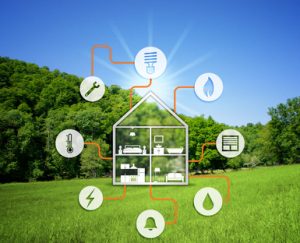
In today’s world where sustainability is more than just a buzzword, smart home solutions have stepped into the spotlight as game changers for energy-efficient living. They aren’t just cool tech gadgets; they symbolize a shift towards homes that are smarter and greener. By integrating systems like automated lighting, smart thermostats, and energy monitoring tools, households are finding new ways to reduce waste and slash utility bills without sacrificing comfort. Companies like EcoSmart Home and GreenNest Solutions are pioneering innovations that make energy-saving accessible and effective for everyone.
These solutions optimize how energy is used, often adapting in real-time to the occupants’ habits and preferences. Imagine your home automatically adjusting heating during a chilly morning or dimming lights when natural daylight suffices — this is the future, and it’s already here thanks to brands such as EnergyWise Tech and SmartEco Living. Beyond individual gadgets, integrated platforms like EffiHome Systems enable seamless communication across devices, unlocking potential for even greater energy savings. This holistic approach reshapes what energy efficiency means in residential settings.
En bref, smart home technologies play a crucial role in pushing the envelope on home energy efficiency. They empower homeowners with:
The core of smart home tech lies in its ability to analyze and respond, transforming a passive home into an energy-conscious environment. Brands such as PowerSave Innovations and EcoLogic Smart leverage advanced sensors and adaptive algorithms to fine-tune lighting, heating, and appliance use, reducing excess consumption that often goes unnoticed.
Take smart thermostats from BrightHome Technologies, for instance. They don’t just maintain temperature; they learn your schedule and preferences to prevent energy waste — heating an empty house becomes a thing of the past. This hands-off energy optimization is a game-changer, pairing comfort with cost savings. For those aiming to deepen their home’s energy efficiency, consulting guides on smart home energy saving techniques can provide actionable insights.
Moreover, platforms like SustainSense and EcoGrid Solutions extend the concept by offering comprehensive dashboards where homeowners track not only usage but also carbon footprint, fostering awareness and encouraging greener habits. The benefits are seen both at the wallet and environmental level, reinforcing why integrating smart solutions is not just a trend but a necessity in sustainable living.
Smart homes thrive on connectivity. It’s the invisible thread tying individual innovations into a cohesive energy-management ecosystem. Wired or wireless, these systems communicate continuously, enabling real-time adjustments and efficient energy distribution.
For example, adopting smart home automation allows families to control lighting, security, and HVAC from anywhere, cutting down unnecessary energy use when rooms are unoccupied. GreenNest Solutions exemplify this with intuitive platforms that synchronize with weather forecasts to anticipate energy demand, optimizing usage proactively.
Connectivity also opens doors to renewable energy integration. Home solar panels paired with smart energy storage and management systems ensure the power generated is maximized, stored efficiently, or fed back to the grid when possible. This synergy between smart tech and green energy sources is vital for a sustainable future and is a central focus in the latest home renovation practices (sustainable home renovation insights).
Despite the clear advantages, adopting smart home solutions entails initial costs and a learning curve. However, given the long-term savings and environmental benefits, pioneers like EffiHome Systems are developing user-friendly, affordable options to democratize energy-efficient living.
Energy-efficient homes aren’t about sacrificing lifestyle but enhancing it with intelligent tech that works quietly in the background. Educating homeowners through detailed guides and expert recommendations, such as those available at energy efficiency renovations. They also highlight the value of sustainable renovation, showing how combining smart tech with eco-friendly materials can dramatically impact energy consumption and comfort.
There’s also the issue of data privacy and system interoperability between different brands and devices—fields where innovators continue to push boundaries, ensuring secure, seamless user experiences without compromising efficiency.
Smart home solutions don’t just improve energy efficiency; they foster a mindset of conscious consumption. Brands like SmartEco Living emphasize family-oriented features, allowing households to track usage patterns and set collective energy goals.
The impact is tangible: reduced bills, lower carbon footprints, and a healthier living environment. Engaging with communities via tips on green living family advice helps cement these habits, making sustainability a shared journey.

Je suis spécialiste de la rénovation énergétique et j’aide les particuliers à choisir les meilleures solutions pour réduire leur consommation. J’analyse les matériaux, les techniques et les performances réelles des travaux durables.