
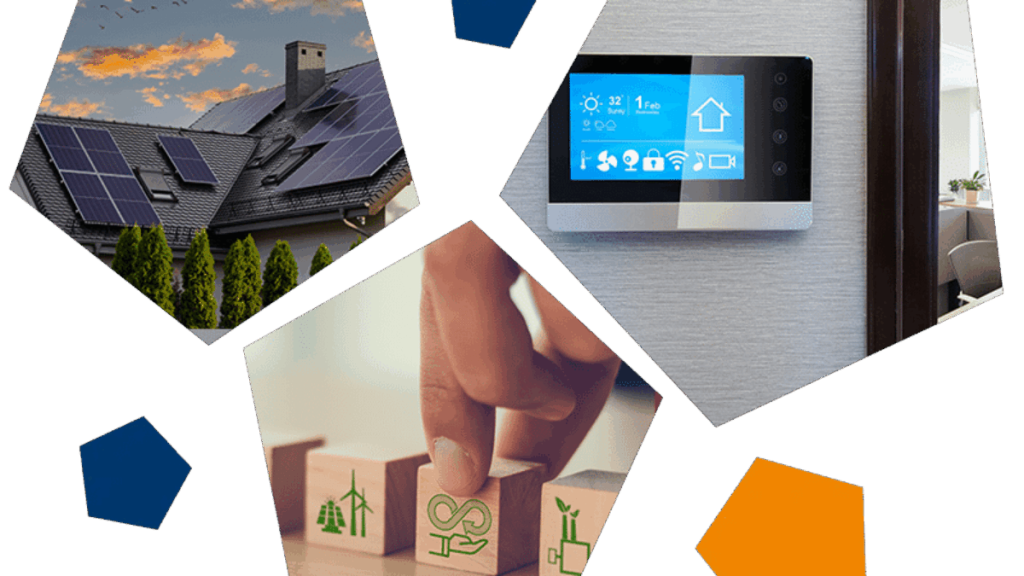
In the landscape of modern living, the push towards smarter, more efficient homes has never been more urgent. With rising energy demands and increasing awareness about environmental impact, homeowners are seeking ways to optimize energy usage without sacrificing comfort. The integration of smart home technologies—powered by advancements in IoT, AI, and machine learning—is revolutionizing how we understand and manage our household energy consumption. By merging automation with sustainability, these innovations not only reduce utility expenses but also contribute significantly to a greener future. Today’s smart home ecosystems can learn from your daily habits, forecast energy needs, and dynamically adjust settings to maximize efficiency—all while you go about your life. This seamless blend of convenience and conservation is reshaping the energy game for residential spaces, marking a crucial step forward in the global journey towards sustainability.
In brief: Smart home energy optimization harnesses IoT, AI, and machine learning technologies to create interconnected, adaptive living spaces that reduce energy wastage. Key benefits include automated energy savings, real-time consumption insights, and enhanced control via mobile devices or voice commands. Innovations like AI-powered management systems, renewable energy integration, and smart grid connections are advancing the field rapidly. Choosing the right solution involves weighing compatibility, scalability, costs, and support. Machine learning models, especially LSTM multivariate, are driving predictive precision, enabling homes to forecast and adapt energy use smartly. Brands such as EcoSmart Solutions and GreenHome Tech are shaping this evolving landscape, reflecting a growing trend toward eco-conscious living powered by technology.
Smart home energy optimization stands at the crossroads of technology and sustainability, employing an ecosystem of intelligent devices, sensors, and management platforms to monitor and control energy consumption efficiently. By tapping into the Internet of Things (IoT) and artificial intelligence, these systems collect detailed data on usage patterns, enabling automated adjustments that align with residents’ lifestyles. For instance, a smart thermostat adjusts heating and cooling schedules based on occupancy and weather forecasts, while smart lighting systems dim or switch off when rooms are unoccupied, curbing unnecessary consumption.
This approach fosters a responsive home that anticipates and meets energy demands without manual intervention, improving comfort and lowering bills. Through remote access via mobile apps or integration with voice assistants, users enjoy unprecedented control, positioning energy optimization as an effortless addition to daily living. Companies focused on Smart Home Energy Solutions highlight the importance of these connected platforms in driving both individual savings and broader environmental benefits.
What sets optimized smart homes apart are features like real-time energy monitoring that pinpoint inefficiencies instantly, allowing quick corrective actions. Automation capabilities, such as scheduling appliances only during off-peak hours, further conserve energy. Another advancing front is the integration of renewable sources like solar panels coupled with energy storage systems, helping homeowners maximize clean energy use and reduce grid reliance. AI-driven insights analyze consumption trends to recommend personalized energy-saving strategies tailored to each household’s unique profile. Additionally, the convenience of remote control ensures management flexibility from virtually anywhere, keeping efficiency at your fingertips.
Energy optimization is not just about cutting costs; it’s about enhancing lifestyle quality. Imagine arriving home to a perfectly heated space in winter, thanks to predictive heating schedules, or enjoying lighting scenes that adapt to natural daylight, reducing eye strain and electricity use. Smart plugs activate appliances like washing machines or coffee makers precisely when needed, avoiding energy waste and offering peace of mind. This seamless orchestration between comfort and conservation is increasingly aided by brands like HomeEfficiency Pro and EnergyWise Innovations, who develop solutions focused on harmonizing user preferences with energy demands.
By making homes intuitive and adaptable, smart systems play a vital role in encouraging sustainable behaviors without requiring constant human oversight—turning everyday living into a model of eco-friendly efficiency.
2025 brings exciting innovations such as AI-powered energy management platforms that learn consumption patterns to preemptively adjust settings, ensuring optimal usage at all times. The increasing penetration of green living technologies into residential spaces is pushing integration with smart grids, facilitating dynamic energy flow and better handling renewable inputs. Energy storage solutions like Tesla’s Powerwall provide reliable backup, enabling homeowners to store and use solar energy when the sun isn’t shining. Voice-activated controls through systems like Adaptive Energy Systems and NextGen HomeControl make managing these complex systems as simple as speaking a command, heralding an era of hands-free, intelligent energy management.
The advancement of smart EV chargers optimizing charge times according to energy prices and grid load also marks a key development, extending smart energy optimization beyond the home to lifestyle devices.
Choosing a solution begins with assessing your home’s existing infrastructure and identifying priority areas for optimization—whether it’s heating, lighting, or appliances. Compatibility is crucial, as seamless integration with your current smart devices ensures a functional ecosystem. Consider scalability, so your system can grow as new technologies emerge or needs evolve. While upfront costs can be a concern, focusing on high-impact areas first and building gradually helps manage expenses effectively. Brands like SmartEnergy Hub and EcoNest Technologies offer well-regarded platforms known for user-friendly interfaces and strong customer support.
Installation should follow manufacturer guidelines carefully, integrating devices into the overall smart home network. Regularly monitoring energy data allows fine-tuning configurations to extract maximum efficiency. With strong security practices—like robust passwords and two-factor authentication—you can safeguard your system against cyber threats, ensuring your home’s smart energy functions remain reliable and safe.
Consider a family in Texas who installed solar panels paired with a Tesla Powerwall, cutting their energy bills by 40% through storing surplus electricity for evening use. Another example is a Chicago household that saw a 20% reduction in heating and cooling costs using a Nest smart thermostat, which learned their daily routines and adjusted settings for maximal savings. Meanwhile, a California homeowner replaced traditional bulbs with Philips Hue smart lighting, programming them to adapt to daylight and occupancy, saving $150 annually on electricity.
These success stories highlight the tangible benefits of embracing smart home technologies and reinforce why many homeowners turn to EcoSmart Solutions and PowerSmart Living to guide their energy-efficient journeys.
For further inspiration and tips on enhancing your home’s green credentials, explore resources that cover cutting-edge smart home automation and sustainable renovation strategies, ensuring your living space remains at the forefront of efficiency and innovation.

Je suis spécialiste de la rénovation énergétique et j’aide les particuliers à choisir les meilleures solutions pour réduire leur consommation. J’analyse les matériaux, les techniques et les performances réelles des travaux durables.