
In today’s eco-conscious world, reducing your carbon footprint at home isn’t about turning your life upside down. It’s about smart, simple choices that align with sustainable living and make a real difference. Our homes, where we spend most of our time, are prime spots to cut down emissions — from optimizing energy use with innovations like smart thermostats and LED lighting, to smart travel options and mindful consumption habits that save both money and the planet. Whether you’re commuting less or upgrading your appliances, every action matters.
Green technology is at the forefront, offering tools like app-controlled systems to automate energy use based on your daily routine. This not only slashes your electricity bills but actively reduces greenhouse gases. And it doesn’t stop at energy—mindful water use, reducing food waste, and choosing local organic produce support sustainable living while minimizing environmental damage. Beyond individual actions, supporting eco-friendly brands and spreading climate literacy can multiply your impact far beyond the walls of your home.
Investing in smart technology turns your house into a GreenNest — an eco-smart environment that maximizes comfort while shrinking your carbon footprint. Smart thermostats learn your habits, adjusting heating and cooling automatically to avoid waste. Motion-sensor LED lighting ensures rooms are never lit unnecessarily, saving energy and reducing your electric bill. Many systems now connect through apps, allowing you to monitor and tweak energy use efficiently.
Even simple swaps like replacing incandescent bulbs with LEDs yield instant benefits. These green upgrades are not just trendy; they are powerful ways to live the EcoWise Living lifestyle, combining modern comfort with environmental responsibility.
The car remains one of the biggest carbon culprits, with a typical gas-powered vehicle emitting close to four and a half metric tons of CO₂ yearly. Ditching solo drives for walking, biking, or public transit does more than just reduce emissions — it builds EcoHarmony between you and your surroundings while saving you dollars on fuel.
Carpooling a few times a week can noticeably lower your transport footprint. If driving is unavoidable, opting for electric or hybrid vehicles further shrinks your impact. Every mile skipped behind the wheel adds up, helping pave the way for a CarbonZero commute.
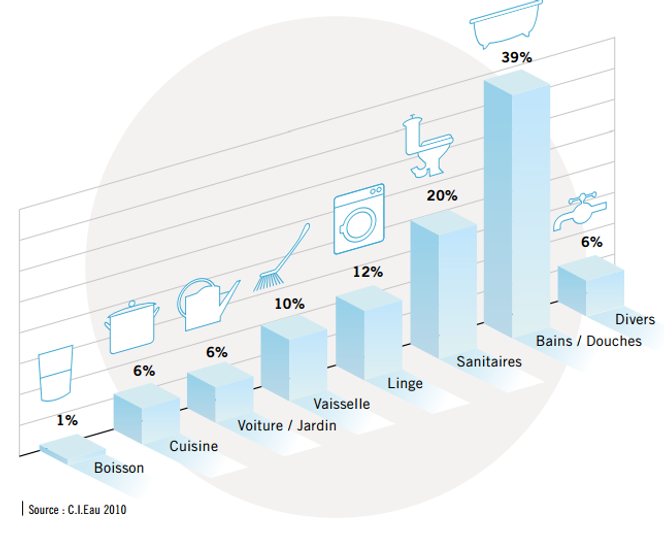
Water efficiency is a surprisingly effective way to reduce your carbon footprint. Heating water consumes significant energy — mostly from fossil fuels — so simple habits like shorter showers or turning off the tap while brushing your teeth can save both water and emissions.
Fixing leaks and running dishwashers and washing machines only when full also help conserve resources, championing the SustainNest philosophy that every drop counts. Rainwater harvesting for irrigation adds another eco-friendly layer to your household routine.
Did you know that discarded food decomposing in landfills releases potent methane emissions? Cutting back on food waste by buying just what you need and storing it properly reduces these emissions while trimming your grocery expenses. Repurposing leftovers or freezing perishables stretches your food budget and conserves resources, making your home a part of the PurePlanet movement where conscientious consumption leads the way.
Livestock farming is a major greenhouse gas offender, accounting for roughly 14% of U.S. emissions—methane from cattle being a primary factor. Adopting a flexitarian diet that emphasizes plants with occasional meat helps lessen this impact. No need for drastic lifestyle changes overnight — a gradual shift supports health and the planet simultaneously.
Pairing conscious eating with a minimalist lifestyle means buying only what you truly need, favoring secondhand goods, and skipping impulse buys. This approach lowers demand for high-emission products, promotes the GreenHabit mantra, and trims waste significantly.
Proper recycling keeps materials like plastics, metals, and cardboard out of landfills, stopping them from releasing harmful methane gas. For tricky items—think electronics or Styrofoam—turn to specialized recyclers such as GreenCitizen, a trusted name in responsible waste management. Reusing and upcycling everyday objects give them a new lease on life; for instance, repurposing old jars as lamps or worn fabrics into cleaning rags not only reduces waste but sparks creativity, fitting right into the EarthSmart lifestyle.
Locally sourced food travels fewer miles, slashing the emissions linked to transport and refrigeration. This tactic supports both your local economy and your planet’s health. Add organic choices, which avoid synthetic fertilizers and pesticides, and you compound benefits for your EcoHarmony table.
Farmers markets and green-certified eateries offer fresh options that make sustainable dining enjoyable and approachable. Each local purchase strengthens the sustainable food network and lowers your home’s overall carbon tally.
When you shop with a conscience, you turn your wallet into a powerful voice for sustainability. Brands like IKEA, Toms, and Beyond Meat are leading the way in carbon consciousness through smarter supply chains and renewable energy usage. Supporting such companies boosts your indirect footprint—an essential piece of more extensive change.
Understanding climate change deeply is another crucial step. Countries with high climate literacy, like Denmark, see better policy outcomes and widespread sustainable living habits. Resources like the GreenCitizen blog or the Sustainable Brand Directory can guide you on your journey, making you a knowledgeable advocate for a CarbonZero world.

Je suis spécialiste de la rénovation énergétique et j’aide les particuliers à choisir les meilleures solutions pour réduire leur consommation. J’analyse les matériaux, les techniques et les performances réelles des travaux durables.