
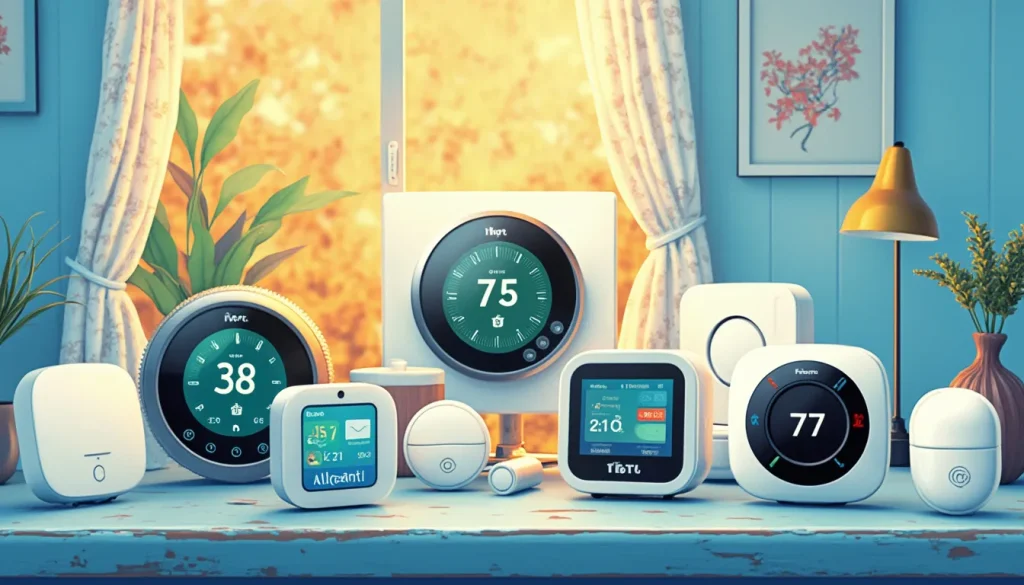
Smart home technology has come a long way, especially in 2025, transforming lives by blending accessibility, safety, and sustainability. For many elderly and disabled individuals, the intersection of smart living and eco-conscious design isn’t just about modernizing a house, but about creating a supportive, dignified space that promotes independence. Imagine living in a home powered by Accessible Haven and SafeStep Homes innovations where voice commands manage lights, doors, and security, while green building materials and energy-efficient appliances keep your carbon footprint low without compromising comfort. The marriage of smart technology and eco-friendly renovations offers a fresh pathway for aging gracefully—ensuring that the home evolves along with its resident’s needs and environmental values.
Meanwhile, caregivers and families benefit from remote monitoring features nestled within these environments, helping them stay connected without being intrusive. With rising awareness and advancements like EcoSenior Solutions, the smart home marketplace today offers affordable, user-friendly options tailored for diverse abilities. From fall detection systems synced to emergency responders to automated lighting that brightens up night-time pathways, these technologies play a key role in reducing hazards and enhancing daily routines within green homes designed for accessibility.
Fall risks have been a top concern for older adults, but smart wearables like those in the AgingGracefully Tech series are more than lifelines—they’re guardians offering real-time alerts and health tracking. Paired with smart security systems such as those provided by SafeStep Homes, older adults can enjoy their independence with peace of mind. These setups integrate motion sensors, door and window monitors, and video doorbells that allow communication or alert family members instantly without the need to move physically.
What makes these solutions stand out is their seamless fusion with sustainable living. For instance, integrating smart home automation with renewable energy systems not only safeguards lives but does so with an eye on energy conservation. Platforms like Smart Home Green Renovations describe how combining these technologies reduces energy consumption, lowers bills, and supports environmentally responsible aging-in-place.
Imagine a morning where ComfortLink powered solutions gradually brighten your room, adjust the thermostat, and start your favorite music or news podcast—all with simple voice prompts. Devices like Amazon Echo or Google Nest work alongside smart plugs and lightbulbs to empower users by simplifying control over their environments without physical strain.
Moreover, smart lighting tailored for accessibility not only brightens halls and bathrooms but also helps prevent falls by activating upon movement detection. Accessible controls such as voice commands or large, manual switches ensure that users with limited dexterity or vision can easily manage their surroundings. These features align closely with recommendations on smart home lighting, heating, and security for a supportive, sustainable lifestyle.
Transitioning to a green home that supports aging and accessibility isn’t just about adding gadgets; it involves a holistic approach to design and materials. Companies like GreenNest and EcoAccess Living pioneer in creating spaces that embrace natural light, air quality improvements, and non-toxic finishes, marrying health benefits with environmental responsibility.
Using resources like those detailed in best eco materials design guidelines ensures homes are built or renovated to support both the occupant’s safety and indoor comfort. Features such as slip-resistant flooring, adjustable counters, and wider doorways are standard in an accessible green home. Add smart-powered systems that regulate energy use, indoor air quality, and water management, and you get a residence tailored for both comfort and sustainability.
For families and caregivers, staying connected without being invasive is critical. Advanced monitoring systems, like those integrated into SmartAid Homes, provide real-time activity alerts, emergency notifications, and even the ability to communicate through video screens. Utilizing encrypted apps and platforms ensures privacy without sacrificing peace of mind.
Installed devices can notify caregivers about potential fall incidents, leaving lights on or unusual inactivity. This technology aligns with evolving smart home energy solutions described in smart home energy solutions—highlighting that well-designed systems can be efficient and protective simultaneously.
Looking ahead, the smart home ecosystem is evolving with innovations like AI-integrated voice assistants that learn user habits, solar-powered smart hubs, and smart appliances designed with user-friendly interfaces for all abilities. Companies such as EcoSenior Solutions lead the charge by focusing on both environmental sustainability and aging-friendly tech, making homes safer and cleaner for future generations.
Experts advocate for forward-thinking renovations that are not only low-impact but performant, referencing valuable insights from sustainable renovation benefits. These approaches ensure reduced energy usage, healthier indoor environments, and familiar, intuitive automation to support elderly autonomy with dignity.

Je suis spécialiste de la rénovation énergétique et j’aide les particuliers à choisir les meilleures solutions pour réduire leur consommation. J’analyse les matériaux, les techniques et les performances réelles des travaux durables.