
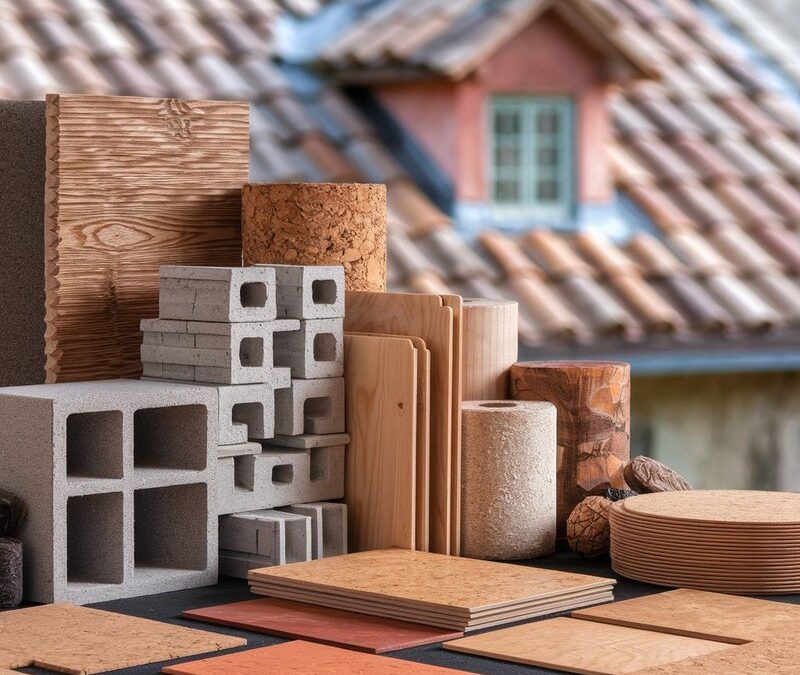
In 2025, crafting a cozy, energy-efficient home goes way beyond picking just any material. It’s all about zeroing in on eco-friendly choices that boost thermal comfort seamlessly. Think of thermal mass materials like concrete, brick, water, and stone that work smart to soak up heat during the day and release it slowly when things cool down, cutting your energy bills and making your space way comfier. But, the game-changer? Matching these materials perfectly with your local climate, budget, and lifestyle. Whether it’s a rustic brick wall or a sleek concrete floor, the trick is picking elements that vibe with your home’s needs while staying kind to our planet.
Now, let’s hit the key points you absolutely need to know. Picking the right thermal mass material means understanding its heat storage chops and how it interacts with your home’s environment. From the heavyweight champs like concrete to the versatile charm of ceramic tiles, each brings something unique to the table. You’ll want to factor in installation ease, cost-effectiveness over time, and even how these materials team up with modern smart home tech – ever thought your walls could sync with your thermostat? Plus, some newer players, like phase change materials, are shaking things up with advanced heat regulation. These insights come from industry frontrunners like EcoTherm Designs and GreenComfort Materials, who are pushing the boundaries on sustainable warmth solutions.
Let’s start with the heavy hitters: concrete and brick. These materials have been go-to choices because of their impressive thermal mass capabilities. For example, concrete’s dense structure lets it absorb daytime heat and release it when temps drop, maintaining a steady indoor climate. It’s particularly beneficial in areas where temperatures swing a lot between day and night. But, don’t count out brick – its traditional appeal and great heat storage capabilities make it a favorite in many homes. Plus, brick offers cool design flexibility without sacrificing thermal performance. Pairing these materials with innovative design strategies from leaders like SustainHeat Solutions can dramatically cut down your heating and cooling energy use.
Water is surprisingly a thermal comfort hero. Its high specific heat capacity means it can store more heat than most solids, making it ideal for passive solar designs. Whether you integrate water tanks or elegant indoor ponds, this element cleverly balances temperature swings by releasing stored heat when it’s cold and absorbing it during warmer spells. Just remember, containment and strategic placement are crucial to avoid leaks and maximize its efficiency. On the natural stone front, materials like granite and slate not only add timeless beauty but provide excellent thermal regulation. Thick stone walls and floors can soak up heat and maintain a stable indoor environment, reducing HVAC load. Combining these with eco-conscious products from NatureWarm Creations ensures sustainability meets style.
Ceramic tiles might fly under the radar, but they pack a punch for thermal comfort. Their durability and amazing heat retention make them ideal for areas that see wild temperature swings. Plus, the variety in colors and textures means you’re not just investing in performance, but also in the aesthetics of your space. What’s more, their resistance to moisture and chemicals boosts longevity, perfect for real-life homes battling the elements. On another eco front, earth-based materials like adobe and rammed earth continue to prove their worth in sustainable building. Adobe’s ability to store heat and regulate humidity creates a healthier indoor atmosphere that’s naturally cozy. Rammed earth’s low carbon footprint and rugged thermal mass promote sustainability without compromising comfort. Collaborating with experts from EcoThermal Elements helps you harness these benefits sustainably.
Step into the future with phase change materials (PCMs), a technological leap for thermal mass. These smart materials store and release heat by shifting between solid and liquid states at specific temperatures, making them perfect for indoor temperature regulation. PCMs reduce reliance on traditional HVAC systems by smoothing out temperature fluctuations. For instance, organic PCMs suit residential spaces, while inorganic types fit commercial buildings offering tailored solutions. Partnering with companies like ThermoEco Innovations can integrate these advanced materials into your projects, setting new standards in energy savings and comfort.
Choosing eco materials isn’t just about going green; it’s also a smart financial move. Materials like stone may require a higher upfront investment but offer durability and superior thermal regulation that pays off over decades. Meanwhile, concrete and brick can hit the sweet spot between cost and performance for many homeowners. Don’t forget to factor in installation complexities – heavier materials demand strong structure and skillful labor, often best left to pros. A smart way to approach this is by checking studies and case examples at places like sustainable renovation case studies to guide your choices. Further insights into eco materials’ budgeting and design are available at eco materials budget design, helping you plan with both comfort and costs in mind.
To top it off, linking your materials with smart home systems from platforms featured in smart home energy efficiency articles empowers you to automate temperature management, squeezing every last drop of efficiency from your design. Plus, pairing these with green renovation tips from green living seasonal tips ensures your home is comfy year-round with minimal waste.

Je suis spécialiste de la rénovation énergétique et j’aide les particuliers à choisir les meilleures solutions pour réduire leur consommation. J’analyse les matériaux, les techniques et les performances réelles des travaux durables.