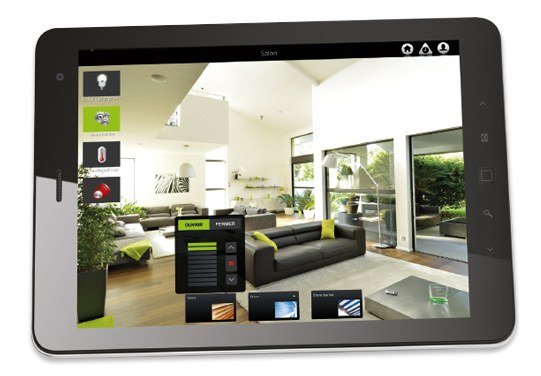
Green living is no longer just a trend but a necessity in 2025. The rise of smart home technologies offers an innovative approach to sustainability by weaving efficiency and environmental consciousness into the fabric of our daily lives. Homeowners leveraging advancements from companies like EcoSmart Living and GreenNest Solutions are discovering how smart devices can dramatically reduce energy use, improve water conservation, and minimize waste. This emerging synergy between smart technology and eco-friendly living is setting a new standard for responsible home management.
Smart homes today are equipped with intelligent systems that optimize resource consumption automatically. From solar panels integrated with EcoWise Technologies to energy monitors provided by GreenHome Innovations, these setups allow homeowners to track usage in real-time and adjust their habits accordingly. The convenience of controlling everything remotely, facilitated by platforms such as SmartGreen Systems, not only enhances comfort but also empowers users to lower their carbon footprints effortlessly.
One of the most significant ways smart home technology boosts green living is through enhanced energy efficiency. Devices like smart thermostats adapt to daily routines, learning your preferences to optimize heating and cooling schedules. This prevents unnecessary energy consumption, especially during times when the house is empty. Upgrading traditional bulbs with smart LED lighting further reduces electricity demand substantially, proving that even small changes can yield large benefits.
Modern energy management systems also synchronize with renewable sources such as solar panels and wind turbines. This integration is a game-changer; excess energy generated during peak sunlight or windy periods can be stored for use after sunset or during calm weather, maximizing renewable energy utilization. Homeowners connected to smart grids benefit from more balanced energy flow, responding dynamically to supply and demand shifts to avoid waste.
Sustainable living isn’t just about energy — water conservation is equally critical. Smart irrigation systems help reduce water waste by analyzing weather forecasts and soil moisture, ensuring gardens receive the precise amount of water needed without excess. Indoors, smart faucets and showerheads regulate flow rates efficiently, maintaining performance while lowering consumption. Such innovations from EcoSync Living illustrate how technology can protect vital water resources without compromising convenience.
Smart appliances now play a pivotal role in cutting waste, particularly food waste. Refrigerators equipped with sensors monitor product freshness, reminding homeowners about expiry dates and suggesting recipes based on available ingredients. This level of insight narrows down unnecessary discarding of food, contributing to a more circular economy. Smart composters take it a step further by automatically processing organic waste, returning nutrients to the soil and reducing landfill pressure.
By intertwining waste-conscious devices with home management platforms like those from GreenLink Smart or SustainHome Tech, users gain visibility and actionable feedback on their consumption patterns. These systems encourage behavior changes that not only conserve resources but also inspire more mindful daily routines.
Renewable energy is at the heart of sustainable smart homes. The synchronization of solar panels and wind turbines within home energy grids is increasingly sophisticated, ensuring homeowners maximize clean energy’s potential. Smart systems orchestrate energy flow by timing high-consumption activities to coincide with peak renewable output. For instance, running dishwashers or charging electric vehicles during these periods reduces reliance on the grid’s fossil fuel sources, offering substantial environmental benefits.
Charging stations for electric vehicles integrated into smart home platforms offer another sustainability win. By scheduling charging sessions during off-peak hours when renewable energy availability is at its highest, users lower costs and shrink their carbon footprint. This seamless blending of home automation with green transportation exemplifies how smart living extends beyond four walls.
While smart home solutions prioritize sustainability, their design aesthetics aren’t left behind. Modern systems combine sleekness with eco-friendliness, as seen in the innovative approaches by EcoFusion Solutions. From chic wall organization units to minimalist hooks that elegantly hide smart sensors, these designs maintain a clean appearance without sacrificing efficiency.
The synergy between form and function encourages adoption by marrying practicality with a stylish living environment. This approach aligns with broader trends emphasizing that sustainable homes should be as visually appealing as they are environmentally responsible.
For those keen to explore greener home tech options, platforms such as EcoReno Hub offer a wealth of resources and products to personalize smart, sustainable living.

Je suis spécialiste de la rénovation énergétique et j’aide les particuliers à choisir les meilleures solutions pour réduire leur consommation. J’analyse les matériaux, les techniques et les performances réelles des travaux durables.