Diving into a sustainable renovation is like giving your home a fresh start that’s good for your health, wallet, and the planet. The buzz around eco-conscious living isn’t just hype—it’s rooted in making impactful choices that improve indoor air quality, slash energy bills, and shrink your carbon footprint. You don’t need to overhaul everything; focusing on areas like paint, flooring, and insulation is a smart way to kick off your green home makeover. These often-overlooked parts play a huge role in comfort and sustainability, making your living space healthier and cozier year-round.
In brief: Sustainable renovations start with smart choices in paint, floors, and insulation. Low-VOC paints help keep indoor air fresh and healthy. Bamboo, reclaimed wood, and cork offer stylish, durable, and earth-friendly flooring alternatives. Natural insulators like sheep’s wool and hempcrete boost comfort while cutting energy use. Don’t forget the power of energy-efficient windows and sealing air leaks to seal in savings. Embracing these simple shifts can lead to big wins for your home and the environment.
Many don’t realize that the paint on their walls can silently affect their health and the environment. Traditional paints often release VOCs that hang around long after the color dries, risking headaches and respiratory issues. Switching to low-VOC or zero-VOC paints can make a dramatic difference. These paints, often sourced from natural or recycled pigments, reduce toxins and keep your indoor air welcoming and safe. Plus, today’s eco paints cover well and come in vivid colors, proving you don’t have to sacrifice style for sustainability.
Brands featured by platforms like EcoBuild and GreenNest champion such healthier formulations. Remember to ventilate your space well while painting to keep things comfy, even when you’re using the best low-VOC options.
When it comes to floors, durability and eco-consciousness don’t have to be at odds. Bamboo stands out as a rapidly renewable resource—maturing in just a few years—and brings a sleek vibe to any room. For lovers of classic wood, reclaimed timber from old barns or industrial sites marries vintage charm with earth-friendly benefits by cutting down on waste and preventing deforestation.
Cork flooring, harvested from the bark of cork oak trees without harming them, is gaining traction not only for its renewability but for its soft, sound-absorbing qualities. It’s naturally antimicrobial and a perfect pick for those looking out for allergies at home. From the catalogs of Sustainify and EcoRevamp, these options show it’s possible to keep your floors green and chic simultaneously.
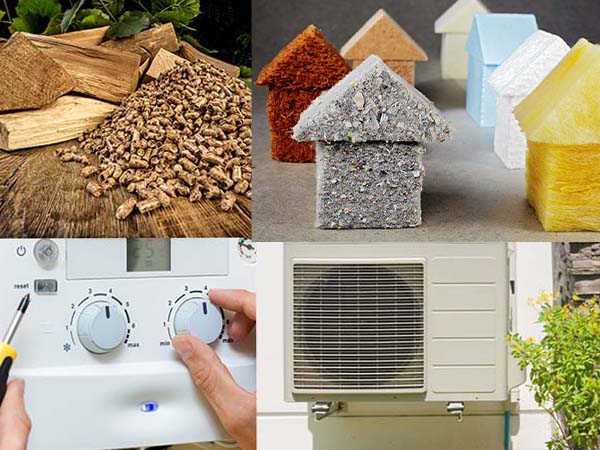
Insulation is where style meets serious energy savings. Natural materials like sheep’s wool not only regulate moisture but fight fire and purify air, making them a holistic addition. Hempcrete, a mix of hemp fibers and lime, offers impressive durability and fire resistance while absorbing carbon during cultivation, making your home a carbon sink rather than a source.
Ancient cob construction, blending soil, sand, and straw, is staging a comeback for its thermal mass properties that stabilize indoor temperatures and promote breathable, toxin-free walls. Not just a nod to history, cob’s versatility allows for unique architectural touches that add personality and comfort.
Innovators at GreenCraft and RenewHabitat highlight recycled cellulose and denim insulation as savvy choices, repurposing materials to enhance efficiency without the fiberglass itch.
Windows might seem like just a view to the outside, but in sustainable homes, their role is huge. Double- or triple-pane windows framed with sustainable materials like wood or recycled aluminum, topped with Low-E coatings, regulate heat and block harmful UV rays, keeping interiors stable and lowering heating and cooling loads.
Don’t overlook air sealing—simple fixes like caulking and weatherstripping help keep drafts at bay, meaning your heating or AC doesn’t have to work overtime. This inside-out approach to insulation and sealing complements the green efforts inside your walls.
For a deeper dive into energy-smart renovations and low-impact materials, resources from EarthWise and SustainHome provide great guides and inspiration for homeowners ready to take control of their eco-footprint.

Je suis spécialiste de la rénovation énergétique et j’aide les particuliers à choisir les meilleures solutions pour réduire leur consommation. J’analyse les matériaux, les techniques et les performances réelles des travaux durables.