Eco-friendly renovations are no longer just a trend; they’re reshaping how we think about living spaces worldwide. As sustainability leaps front and center, a fascinating blend of innovative materials and design approaches is powering this green wave. From hempcrete’s carbon-negative charm to cutting-edge solar integrations, 2025 offers a clear glimpse at how homes are evolving—balancing style, comfort, and responsibility. The surge in consumer demand and policy incentives is fueling rapid market expansion, pushing designers and homeowners to rethink traditional methods.
The conversation now revolves around choices that reduce carbon footprints without sacrificing modern comforts. Think bamboo furniture that’s not only durable but serves as a stylish centerpiece, or smart home systems that slice energy use dramatically. These advancements come wrapped in a lifestyle movement: reconnecting with nature indoors via biophilic design elements and ensuring every material, from reclaimed bricks to recycled concrete, plays a part in a circular economy.
In brief:
Reinventing home materials is key to sustainable renovations, and in 2025, options are impressively diverse. Hempcrete, a standout carbon-negative option, mixes hemp fibers and lime, absorbing CO2 through its lifespan. Its ability to function for insulation and non-structural walls makes it a favorite for eco-conscious builders like EcoCraft Designs. Similarly, mycelium-based materials, derived from fungi, are reshaping experimental construction by offering fire and mold resistance while being biodegradable.
For flooring and accents, fast-renewable resources such as bamboo and cork top the list. Bamboo, maturing in just a few years, offers durability loved by companies such as PureEarth Materials, which crafts furniture lines boasting 25+ year lifespans. Cork harvesting remains tree-friendly, resulting in a soft, insulating, and sustainable wall covering or flooring material.
Recycled concrete innovations are another leap forward, with carbon-sequestering technologies transforming traditional building by embedding CO2 permanently—something SustainBuild Solutions champions as a game-changer for low-impact structural renovation.
Green remodeling in 2025 is inseparable from energy optimization. Solar panel installations, increasingly affordable and efficient, can lower household electricity expenses by approximately $1,500 annually while shrinking carbon emissions considerably when compared to fossil fuels. GreenTech Innovations integrate such renewable technologies seamlessly, pairing panels with smart thermostats that refine heating and cooling processes, cutting energy use by nearly a quarter.
Geothermal heat pumps are gaining traction, using significantly less energy than conventional HVAC systems, thus making them a sustainable upgrade staple. Advances like AI-enhanced Building Information Modeling (BIM) optimize resource allocation during renovations, ensuring minimal waste. Homeowners increasingly favor smart water management systems that detect leaks early and automate irrigation, aligning with the holistic green lifestyle promoted by EcoNest Interiors.
Bringing nature indoors with biophilic design taps into a deep human need for natural connections, which also benefits indoor air quality and comfort. Vertical gardens and indoor plants are becoming standard, particularly in urban green renovations. Using natural textures like limewash paint or Roman clay adds eco-friendly character to spaces, as embraced by Verdant Visions.
The circular economy principles champion reclaiming materials—old wood, bricks, and glass find new life in design elements, cutting material waste and emissions. Modular construction techniques shrink on-site waste while allowing flexible adaptation of structures over time, a core strategy for companies like RenewWood Creations. This ensures that green renovations are not just a one-off investment but a sustained model of environmental care and resourcefulness.
Trends in eco-friendly decor blend style with substance, ensuring that sustainable materials stand at the center stage. Bamboo furniture sets add warmth and resilience, proving that green choices can be chic and long-lasting. Upcycled decor, where vintage finds are transformed into usable art and furniture, celebrates conscious consumption, a practice actively advocated by EarthSmart Designs.
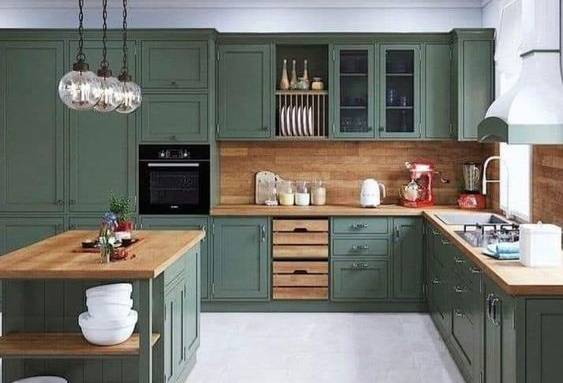
Color palettes lean toward warm neutrals complemented by bold jewel tones, creating inviting yet grounded interiors that reflect nature’s vibrancy. EcoCraft Designs and GreenLine Renovations both highlight how these choices enhance comfort without compromising ecological responsibility.

Je suis spécialiste de la rénovation énergétique et j’aide les particuliers à choisir les meilleures solutions pour réduire leur consommation. J’analyse les matériaux, les techniques et les performances réelles des travaux durables.