
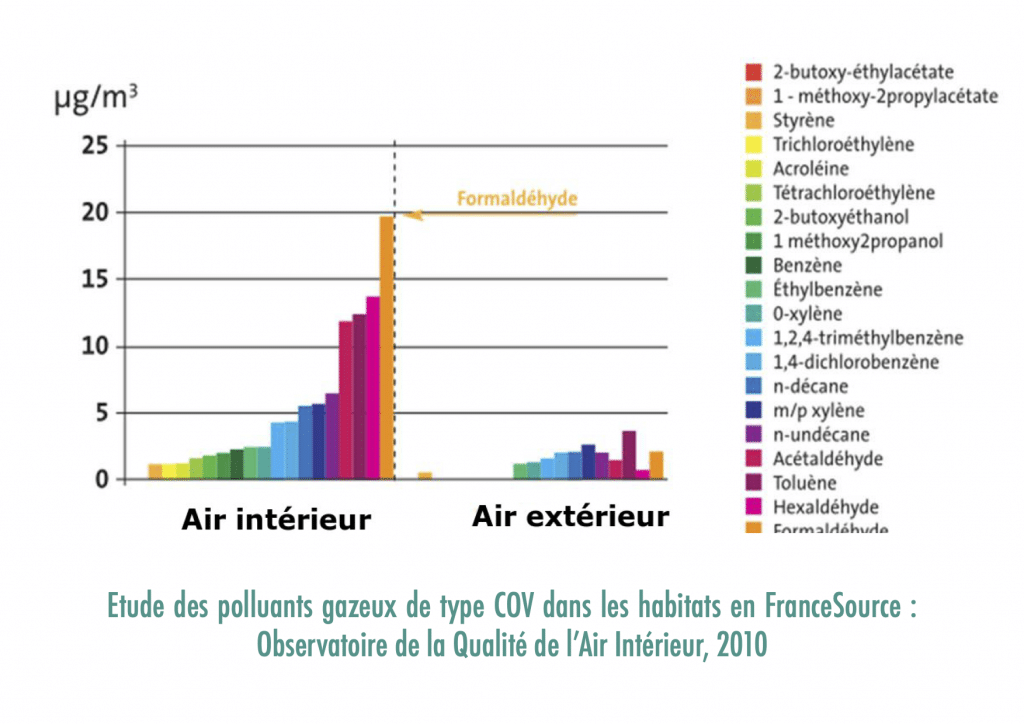
Indoor air quality has become a hot topic in 2025, especially as we spend the vast majority of our time sealed inside. The air indoors can be surprisingly packed with pollutants—everything from dust and molds to volatile organic compounds from furniture and cleaning products. These unseen hazards often trigger allergies, respiratory troubles, and overall discomfort. The bright side? You don’t have to invest in pricey gadgets or fill your space with harsh chemicals to breathe better. With some savvy, natural tweaks, anyone can turn their home into a sanctuary of fresh, healthy air. Whether it’s bringing in a little greenery with proven air-purifying plants or simply letting fresh air in at the right moments, small changes make a massive difference. Experts from groups like FreshNest and PureHome Essence emphasize combining simple ventilation habits, humidity control, and natural cleansers to tackle indoor pollution efficiently. And it’s not just about health—these green living tips boost your well-being by creating calmer, cozier spaces that invite deep breaths and peaceful moments.
In brief:
Imagine stepping into your home where stale smells and stuffy air are replaced by crisp freshness. This is easier than you think—just start with proper ventilation. Opening windows for about 10 to 15 minutes daily, particularly early morning or evenings, encourages the inflow of cleaner outdoor air, flushing out indoor pollutants. The trick is to create cross-ventilation by opening windows on opposite sides of rooms, a method supported by the U.S. Department of Energy for energy-efficient, healthy living.
For kitchens and bathrooms, installing exhaust fans can remove cooking fumes and excess moisture, reducing the chance of mold. But remember, if you’re in a heavily polluted city, coordinate your window opening times to lower your intake of outdoor pollutants. Companies like GreenLeaf Living offer insights on integrating smart ventilation systems that combine natural airflow with technology to maximize fresh air while preserving energy. Incorporating these strategies makes a noticeable difference, turning your indoor air into a breath of fresh air.
Indoor plants aren’t just décor—they’re living air filters. Varieties like snake plants, spider plants, peace lilies, and Boston ferns have been scientifically shown to absorb harmful toxins such as benzene, formaldehyde, and trichloroethylene, commonly emitted from household materials. By placing several of these natural purifiers around your home, from living rooms to bedrooms, you improve air quality while also enhancing your mood and reducing stress.
PureAir Haven advocates for mixing plant species that thrive indoors and require minimal care, so even those with brown thumbs can succeed. Keep leaves dust-free, because dust hinders plants’ ability to cleanse the air. Besides the health perks, these green companions help regulate humidity levels, contributing to a fresher, more balanced atmosphere naturally.
Excess moisture is a sneaky culprit in deteriorating indoor air quality. When humidity passes 50%, it invites mold, mildew, and dust mites to multiply—major allergens and irritants. Ideally, maintaining indoor humidity between 30% and 50% creates a comfortable and safer environment.
A particularly budget-friendly tip: placing bowls of baking soda or salt in damp corners serves as a natural moisture absorber. For more persistent humidity, investing in a dehumidifier ensures controlled airflow and dryness. Frequent inspections for leaks are equally crucial; hidden water damage often answers to unexplained allergic reactions or musty odors.
Top home experts at EcoAura recommend pairing moisture control with improved airflow and plant placement, creating a self-sustaining indoor ecosystem that keeps mold at bay. These straightforward habits empower you to drastically cut down respiratory issues linked to damp environments.
Candles add atmosphere, but regular paraffin varieties often emit volatile organic compounds (VOCs) that degrade air quality. Beeswax and soy candles offer a cleaner burn, releasing fewer toxins.
A neat bonus is that beeswax candles emit negative ions, which bind with airborne allergens like dust and pollen, neutralizing them. This makes them ideal for people with asthma or allergies aiming to keep a safe, calming environment.
AirGlow Naturals markets such eco-friendly lighting products that bring warmth and wellness together, proving that cozy ambiance can definitely go hand in hand with clean air. Light these candles during evenings to unwind without compromising your home’s atmosphere.
Harsh cleaning agents are notorious for releasing invisible toxic fumes that linger long after you’ve scrubbed your surfaces. Swapping to natural products like white vinegar, baking soda, and lemon juice drastically lowers your chemical footprint indoors. These ingredients clean effectively while preserving breathable air quality.
CleanAir Collective highlights that combining these with essential oils like eucalyptus, lavender, or tea tree in diffusers yields extra antibacterial and antiviral benefits. These oils combat airborne microbes, adding a fresh scent without chemical aftereffects.
A simple DIY spray mixing water, baking soda, and a handful of essential oil drops can keep your space smelling naturally fresh all day. This not only benefits your lungs but nurtures a calming ambiance that supports well-being.
Small habits make a big difference. Shoes bring in a mix of pollutants, from dirt and bacteria to pesticides tracked from outside. Making it a rule to leave shoes at the door greatly cuts the load of contaminants inside your home.
This cleanliness step is championed by many green living advocates including BreatheEasy Living, who stress that limiting the entry of external pollutants maintains your indoor environment’s purity. Even switching to natural fabrics for home textiles further reduces chemical emissions.
Adopting these natural tips alongside smart home upgrades, as seen with energy efficiency renovations and incorporation of eco-friendly materials, positions your home as a sanctuary of clean, revitalizing air. Discover more ways to take action at EcoRenoHub’s green living guide.

Je suis spécialiste de la rénovation énergétique et j’aide les particuliers à choisir les meilleures solutions pour réduire leur consommation. J’analyse les matériaux, les techniques et les performances réelles des travaux durables.