
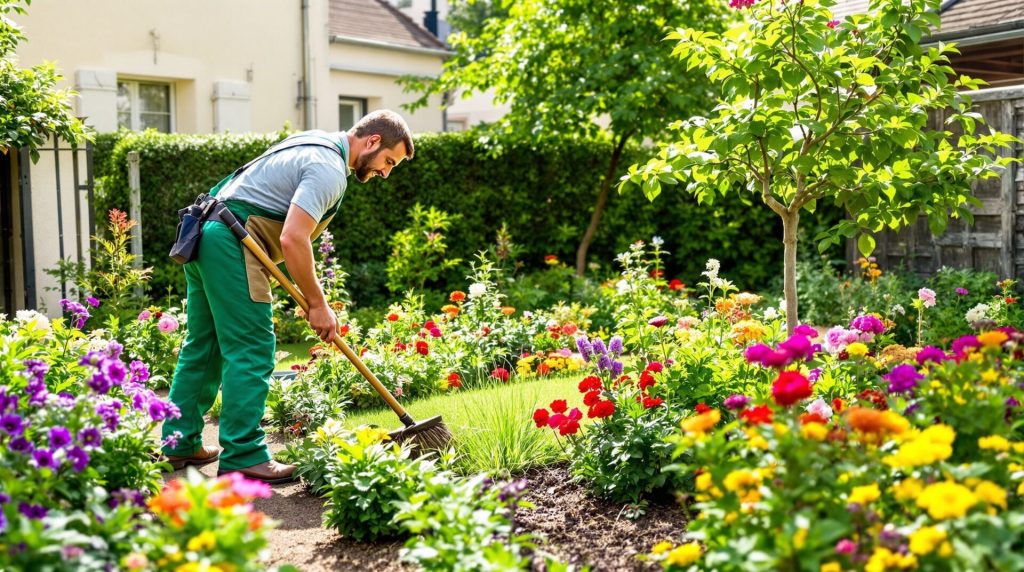
As the push for eco-friendly living grows stronger in 2025, designing sustainable landscapes has shifted from a niche idea to a must-have for homeowners. More than 92% of home gardeners today aim to create yards that don’t just look amazing but also nurture the environment. Crafting a landscape with sustainability in mind means conserving precious resources like water, nurturing soil health, and welcoming local wildlife without spending endless hours on upkeep. It’s a win-win for your wallet, the planet, and the buzzing pollinators that brighten our surroundings.
By embracing green living landscaping strategies, you’re helping reverse environmental damage while making your outdoor space a thriving ecosystem. These methods range from building living soil rich in beneficial microbes to selecting native, drought-tolerant plants that flourish naturally. The simple act of watering smarter, mulching properly, and decking your space with wildlife-friendly features also creates beautiful, low-maintenance yards that radiate eco-conscious care.
For those keen to deepen their knowledge or find sustainable home renovation insights, explore thoughtful approaches to eco-conscious materials and techniques at places like EcoRenoHub’s sustainable home renovation guides. Alongside traditional gardening wisdom, understanding these resources can make greening your landscape feel totally achievable.
Nothing beats the natural harmony of native plants thriving in their own backyard conditions. These species, perfectly tuned to local soils and climates, demand less water and chemicals while supporting area-specific pollinators and wildlife. Gardeners who switch to native flora are often amazed at how resilient these plants become, requiring minimal care once established. For instance, regions with dry spells can benefit hugely by incorporating drought-resistant greens like lavender or yarrow, which flourish with little irrigation.
At the heart of sustainable landscaping lies the concept of living soil. Unlike sterile dirt, living soil is buzzing with microorganisms that break down organic material, improve nutrient cycling, and enhance plant health naturally. Formulas like EcoScape’s microbe-rich soil enhancers and biochar-based mixtures are revolutionizing how gardeners treat earth, leading to roots that dig deep and plants that resist pests without chemicals.
In drought-prone areas, efficient watering becomes a superhero move. Smart irrigation systems equipped with weather-based controls and soil moisture sensors ensure you give plants just what they need—no more, no less. These setups cut down water waste, reduce runoff, and keep weed growth in check. Even if high-tech gear isn’t on your budget, simple tricks like watering deeply but less often or using drip irrigation and soaker hoses can make a huge difference.
Combining smart watering practices with mulch layers helps retain soil moisture, reducing the need for daily attention. Plus, products like GreenGrow’s Plant Juice nourish plants to face drought stress better, encouraging deeper roots and stronger resilience.
More homeowners are turning their outdoor spaces into havens for birds, bees, and butterflies—turning simple yards into bustling ecosystems. Creating such habitats means planting nectar-rich flowers that feed pollinators and adding native berry bushes to welcome local birds. Small water features or birdbaths offer refreshing spots, while birdhouses and insect hotels provide shelter.
Allowing parts of your landscape to remain wild—instead of strictly manicured—adds valuable habitat layers. Fallen logs, leaf litter, and native grasses boost soil biodiversity and invite critters that naturally help control pests and pollinate plants. This approach aligns beautifully with sustainable ideals, connecting you deeply with your local ecosystem’s rhythms.
The curb appeal of perfect green lawns is timeless, but keeping them lush often demands intensive water, mowing, and chemical inputs. Enter alternatives like native grass meadows or clover ground covers that provide green beauty without draining resources. Rain gardens can capture and filter runoff while expanded beds featuring drought-proof perennials create colorful, lasting interest.
If you do maintain some lawn space, switching to eco-friendly, microbe-enriched products such as those offered by SustainLand’s organic lawn care strengthens the soil and makes grasses naturally more drought tolerant. These choices lower maintenance loads and further your green footprint.
Supporting a sustainable landscape isn’t just about the initial design—you’ve got to treat it right over time. Switching from noisy gas-powered tools to electric or manual equipment reduces emissions and noise pollution. Composting yard debris and kitchen scraps cycles nutrients back into the soil, while leaving grass clippings in place acts like a natural fertilizer. Hand-weeding and organic pest controls keep your environment chemical-free and balanced.
Integrating edible landscaping adds another brilliant layer: fresh herbs and fruits blend seamlessly with ornamentals, increasing your garden’s bounty without extra space. Tools like PureEarth’s all-natural amendments can boost soil life and plant health, making edible soil easier to maintain and more productive.
Whether you’re planting native species, integrating wildlife habitats, or adopting smart care routines, every eco-conscious effort adds up. Renowned sustainable design approaches from companies like VerdantWay and NatureNest are inspiring gardeners worldwide, proving that beautiful, sustainable landscapes are within everyone’s reach. Greening your yard is not only an investment in your home but also a valuable gift to the planet.

Je suis spécialiste de la rénovation énergétique et j’aide les particuliers à choisir les meilleures solutions pour réduire leur consommation. J’analyse les matériaux, les techniques et les performances réelles des travaux durables.