Looking to transform your space with sustainability in mind? Sustainable renovation projects have become game-changers in today’s eco-conscious world, blending smart design with environmental responsibility. From energy-efficient upgrades to innovative material use, success stories from recent renovations reveal the power of thoughtful planning and collaboration. These projects don’t just boost property value—they actively reduce carbon footprints, enhance indoor air quality, and create healthier living environments. Let’s dive into some real-life case studies highlighting how sustainable renovation is reshaping homes and communities, while also learning from the challenges faced along the way.
Here’s the scoop on sustainable renovations in a nutshell:
When it comes to sustainable renovation, embracing green building principles is paramount. Modern projects focus on maximizing energy conservation through solutions like solar panels and advanced HVAC systems. The integration of smart home energy efficiency measures enables occupants to monitor and reduce their consumption actively. Meanwhile, eco-conscious choices, such as using low-VOC paints and sustainably sourced wood, promote a healthier indoor environment and reduced environmental impact.
Take the example of RenewNest, a renovation company renowned for combining green tech with stylish designs. Their projects highlight how blending solar technology with efficient insulation can lead to homes that are up to 40% more energy-efficient. By aligning with green certification standards such as LEED or Green Globes, these renovations set a benchmark for energy-saving design while ensuring compliance with evolving sustainability goals.
One of the most insightful ways to grasp sustainable renovation is by examining in-depth case studies showcasing both success and lessons learned. EcoBuild recently documented a kitchen and bathroom overhaul where opting for energy-efficient appliances and water-saving fixtures led to a 30% reduction in utility costs within the first year. However, what stood out most was the importance of detailed upfront planning. The team emphasized that anticipating supply chain delays and stakeholder coordination early on saved them from costly setbacks.
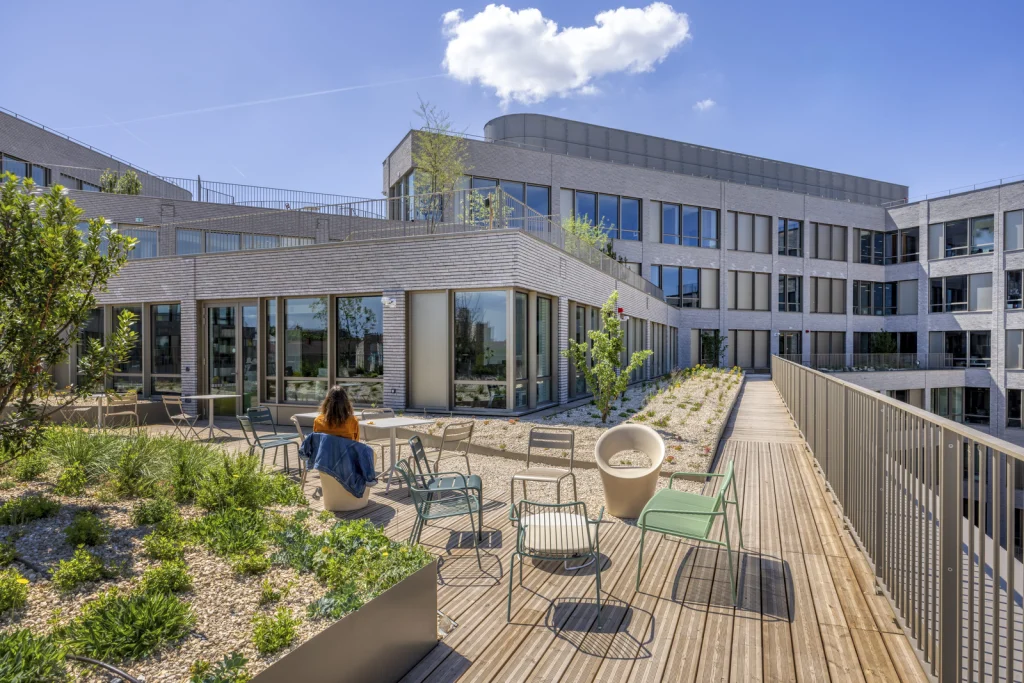
Similarly, the GreenRoots initiative transformed a historic home by incorporating a green roof and rainwater harvesting system. Though the initial investment was higher, the project demonstrated strong long-term value through reduced energy bills and improved occupant comfort. Residents highlighted that such sustainable upgrades significantly enhanced their quality of life, reinforcing that environmental goals and personal well-being go hand in hand.
Projects like SustainHome’s recent community renovation reveal the critical role of involving diverse stakeholders from architects to local regulators. Open communication channels and clear goal-setting helped reconcile sustainability targets with budget constraints. GreenRevive, a leader in eco-renovation services, underscores that thorough project management — including regular updates and adaptive strategies — is essential for navigating complexities, especially when integrating cutting-edge green technologies.
These lessons are crucial for homeowners eager to embrace sustainability without falling into common pitfalls. For those interested in learning more about avoiding missteps in sustainable renovation, resources available at EcoRenoHub provide valuable insights to smooth the journey.
Energy efficiency remains a game-changer in sustainable renovation projects. From installing energy-efficient appliances to integrating savvy automation systems, these upgrades carry hefty benefits. For example, EarthSmartHomes recently completed a retrofit featuring advanced insulation materials combined with energy-efficient windows, which cut heating and cooling demands drastically.
Moreover, initiatives like EcoWiseLiving prioritize continuous energy monitoring, empowering homeowners to fine-tune their consumption patterns. The benefits extend beyond savings — they contribute significantly to reducing carbon footprints, an urgent goal amid today’s climate challenges.
Innovation fuels the evolution of sustainable renovation. RenewNest, for instance, has pioneered using bio-based insulation and recycled composites to minimize environmental harm while enhancing durability. Likewise, new advances in water-efficient plumbing and smart irrigation align with broader efforts to conserve precious resources.
Tools and certifications promoted by platforms like EcoRenoHub guide projects toward selecting materials that strike the perfect balance between cost, sustainability, and functionality. This helps project teams avoid “greenwashing” and commit to genuine environmental benefits.
Ultimately, combining cutting-edge green materials with carefully planned energy upgrades defines the future of sustainable renovation, blending efficiency, resilience, and occupant health in seamless harmony.

Je suis spécialiste de la rénovation énergétique et j’aide les particuliers à choisir les meilleures solutions pour réduire leur consommation. J’analyse les matériaux, les techniques et les performances réelles des travaux durables.