
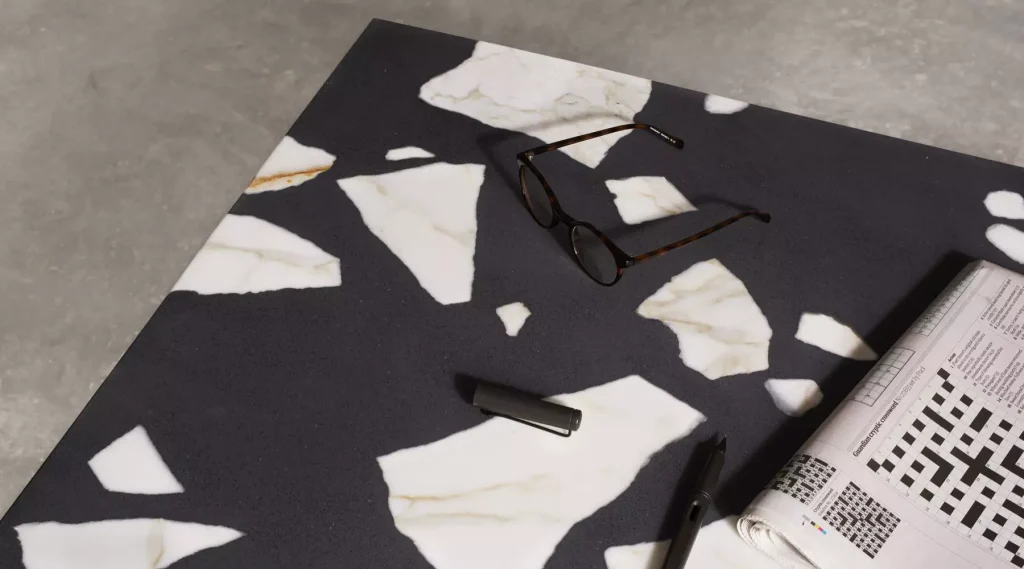
In 2025, making eco-friendly choices in materials and design is more than just a trend—it’s a necessity that shapes our planet’s future. From homes to gadgets, the push towards sustainable methods helps reduce environmental footprints while promoting healthier living spaces. Integrating eco-conscious materials like bamboo, recycled plastics, and sustainably harvested timber along with smart design strategies not only cuts down energy use and waste but also inspires innovation across industries. Companies such as EcoCraft and GreenForm lead the charge by marrying style with sustainability, proving that smart design can be both beautiful and responsible. This momentum is critical as consumers increasingly seek products that align with their values and as regulations tighten globally.
Here’s the lowdown on how smart material choices combined with innovative design practices are driving a greener tomorrow: prioritizing local, low-impact resources reduces transport emissions and supports circular economies. Designing for durability and disassembly ensures products can have multiple lives, slashing landfill overflow. Advanced energy-saving features integrated into buildings and products lower overall consumption and costs. By weaving these approaches into every stage—from sourcing through end-of-life management—designers and businesses create solutions that genuinely minimize their environmental impact.
One of the biggest leaps in sustainable design comes from choosing the right materials. Thanks to breakthroughs by innovators like EcoEdge and PurePlanet, designers now have access to materials that carry a lighter ecological footprint. For instance, renewable resources such as bamboo and cork are gaining popularity because they replenish quickly and require fewer chemicals. Meanwhile, recycled content—think plastics and metals processed from waste—helps close resource loops by diverting materials from landfills.
Moreover, many forward-thinking projects embrace materials certified for sustainability, supporting ethical sourcing and responsible forestry. These choices resonate with green building tips shared on EcoRenovHub, highlighting how green materials not only conserve resources but boost indoor air quality and overall health.
Beyond just the material, how we design products and spaces profoundly affects their ecological impact. Take passive design techniques: orienting buildings to leverage natural light and ventilation drastically reduces reliance on artificial heating and cooling. Brands like Sustainify integrate such principles seamlessly, creating comfortable environments with minimal energy use. Then there’s modular design from pioneers like EnviroNest, enabling easy repairs and upgrades that prolong product lifespans and meet the growing demand for circular economy models.
Water conservation plays a critical role too. Incorporating efficient fixtures and rainwater harvesting systems reduces water waste, supporting sustainability goals and easing pressure on local ecosystems—a tactic supported by leading green renovation insights found on EcoRenovHub.
Energy consumption remains a major environmental concern, but new technologies and design choices offer promising solutions. For homes and businesses alike, implementing energy-efficient heating, ventilation, and lighting systems can cut emissions while saving money over time. The rise of smart home solutions from leaders like GreenMatrix provides tailored controls that optimize energy use based on real-time data.
Similarly, in product design, using components that reduce standby power or require less operating energy contributes significantly to lowering the carbon footprint. These advancements are well captured in the discussions on EcoRenovHub, emphasizing how energy-conscious designs are reshaping sustainable living.
Designing with durability, upgradeability, and disassembly in mind is a game changer. By creating products that last longer and are easier to repair or recycle, companies reduce waste and resource extraction. BioBlueprint and TerraMakers are pushing this model forward by engineering products that fit a « cradle-to-cradle » lifecycle ensuring materials remain valuable rather than becoming waste. This systemic change complements efforts discussed in EcoRenovHub’s eco-materials design articles, underscoring the benefits of design that anticipates end-of-life handling.
Such practices not only lead to environmental benefits but also boost consumer satisfaction by offering timeless aesthetics and functional resilience, a win-win that’s gaining traction in 2025’s sustainable market landscape.

Je suis spécialiste de la rénovation énergétique et j’aide les particuliers à choisir les meilleures solutions pour réduire leur consommation. J’analyse les matériaux, les techniques et les performances réelles des travaux durables.