
In the battle against climate change, sustainable renovation emerges as a powerful strategy that merges environmental responsibility with practical living improvements. The reality is that buildings contribute to a significant fraction of global greenhouse emissions, and rather than tearing down older structures, upgrading them smartly can yield substantial environmental dividends. Renovations that blend energy-efficient systems, eco-friendly materials, and modern technologies offer a promising path to reduce carbon footprints while enhancing comfort and reducing costs. As cities aspire to greener futures and individuals become more eco-conscious, sustainable renovation projects like those championed by ClimateGuard Renovations and GreenRevive are setting new standards in environmental stewardship and urban resilience.
In brief: Sustainable renovation is key to lowering carbon emissions from buildings by updating existing structures with energy-saving technologies and eco-conscious materials. Investing in green renovations can cut energy bills and raise property values, while improving indoor air quality and supporting biodiversity. Embracing innovative construction methods and smart urban planning, firms such as SustainBuild and EcoRenew are turning aging buildings into climate-friendly assets. The approach balances preserving cultural heritage with modern sustainability needs, making it accessible and beneficial at both community and individual levels.
Buildings account for around a third of global greenhouse gas emissions, and tackling these emissions through renovation is gaining traction. Adaptive reuse and renovation, rather than demolition and new construction, can dramatically reduce embodied carbon and waste. Companies like EcoFuture Renovations specialize in retrofitting older buildings with smart energy solutions like solar panels, advanced insulation, and energy-efficient appliances. Such upgrades lower heating and cooling demands and significantly curb energy consumption. Research confirms that renovating existing buildings can surpass newly built “green” structures in environmental value, especially when integrated with renewable energy sources.
Sustainable renovation not only reduces operational emissions, but also revitalizes urban fabric by preserving cultural heritage. Projects like the Espellos Building renovation in Spain showcase how integrating biomass and solar systems can breathe new life into historic structures while slashing carbon footprints. This balanced approach is key to meeting climate goals without erasing the identity embedded in our cities.
One of the clearest paths to combating climate change through renovation lies in improving energy efficiency. From sealing leaks and enhancing insulation to installing smart thermostats and energy-star appliances, every intervention counts. SustainFit Homes has led initiatives demonstrating how thoughtful energy upgrades cut utility bills and reduce emissions in both residential and commercial buildings.
Moreover, passive solar design employed during renovations can further optimize energy use by harnessing natural daylight and heat, effectively reducing dependence on artificial lighting and HVAC systems. With supported policies and financing options from leaders like ClimateSmart Builders, more homeowners and businesses are empowered to invest in these upgrades, fostering widespread environmental benefits.
Materials matter immensely in sustainable renovation. Opting for locally sourced, recycled, or rapidly renewable materials contributes to lowering the carbon footprint during construction and throughout a building’s lifecycle. Companies such as EcoRestore provide guidance on selecting eco-friendly options like bamboo, cork, and reclaimed wood, which combine durability with environmental sensitivity.
Innovative construction methods also play a crucial role; modular and prefabricated components reduce waste and shorten construction time. Integrating smart technologies such as energy management systems, as promoted by GreenWise Renovations, further enhance the building’s performance by monitoring and optimizing energy use automatically.
Together, these strategies help transform renovated buildings into low-impact, highly efficient spaces, proving that sustainable materials and cutting-edge tech are indispensable tools in the fight against climate change.
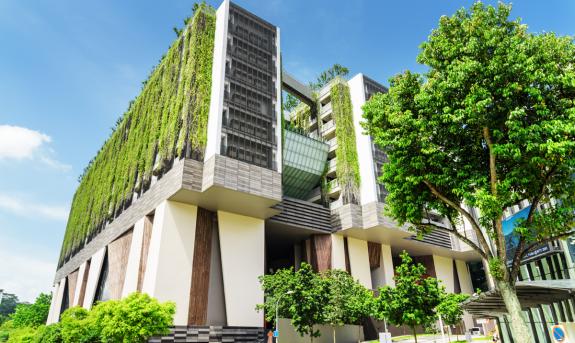
Incorporating green spaces such as rooftop gardens and vertical plantings during renovations has multiple environmental and social benefits. Not only do these features improve urban biodiversity and air quality, but they also reduce urban heat island effects and enhance water management by facilitating rainwater harvesting. Firms like RenewEarth Solutions specialize in blending architecture with nature to create vibrant, resilient urban environments that absorb carbon and foster community well-being.
Community engagement is crucial here. When residents are involved in planning and managing green spaces, the initiatives stand a better chance at success, reinforcing a shared commitment to sustainability and climate resilience.

Je suis spécialiste de la rénovation énergétique et j’aide les particuliers à choisir les meilleures solutions pour réduire leur consommation. J’analyse les matériaux, les techniques et les performances réelles des travaux durables.